
The 2025 Annual Forum convened marine biosecurity professionals, scientists, council representatives, industry stakeholders, and the public to discuss current challenges, innovations, and collaborative efforts in protecting the TOS and wider marine environments in New Zealand. The forum featured expert presentations, scenario-based exercises, and networking opportunities.
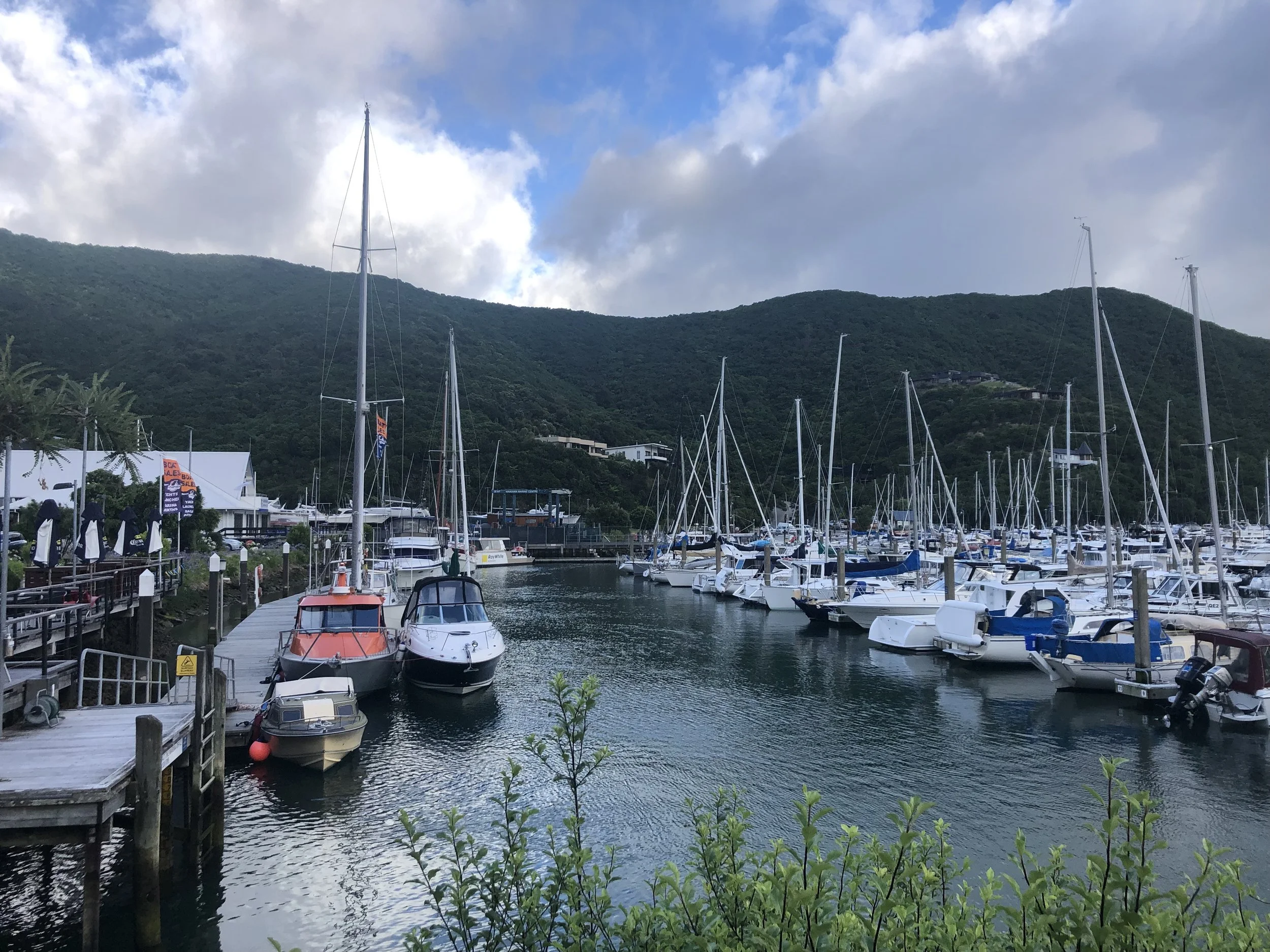
Waikawa hosted the Top of the South Marine Biosecurity Partnership Annual Forum 2025
Dr. Irene Middleton – Biosecurity NZ
Marine Biosecurity in New Zealand: Protecting what we love
Irene shared her journey into marine biosecurity, highlighting New Zealand's unique biodiversity and vulnerability to marine pests. She discussed the Exotic Caulerpa response, the largest biosecurity effort to date, with $24 million investment and significant biomass decline. An overview of marine biosecurity at MPI was given and she shared the Protect Our Paradise campaign, with the importance of understanding 'why' we protect marine environments. Her presentation emphasized the value of community engagement, partnering with councils and industry to minimize the risk of further spread of marine pests.
Richard Frizzell – Nelson City Council
TOS Marine Biosecurity Partnership update
Richard provided an update on the Top of the South Marine Biosecurity Partnership, and the workstreams the partnership undertakes. He highlighted 3600 hull inspections (including Wellington) and Sabella detections and responses as part of surveillance and response efforts. He emphasized collaboration with Greater Wellington Regional Council and discussed wider initiatives contributing to local and national marine biosecurity. Infrastructure and technology improvements were shared, including new haul-out facilities in Nelson, before concluding with a summary of the partnerships focus looking forward.
Mitch Seek & Hayden Nott – Tasman District Council & Marlborough District Council
Level of Fouling (LOF)
Mitch and Hayden explained the new regional rules requiring vessels to maintain a fouling level of 2 or below. They shared examples of Sabella detections and vessel management strategies, including the use of the Marine Vessel Portal and AIS tracking. Their presentation highlighted the importance of consistent standards across regions and proactive surveillance.
Dr. Patrick Cahill – Cawthron Institute
Antifouling Coatings
Patrick discussed antifoul coatings, including biocidal and non-biocidal options. He explained the regulatory challenges and emerging technologies such as graphene coatings and gene-targeted biocides. His presentation emphasized the need for public education and the importance of selecting appropriate coatings based on vessel type and usage.
Dr. Chris Woods – Earth Sciences NZ
The National Marine High-Risk Site Surveillance programme
Chris presented the National High Risk Site Surveillance Programme, detailing surveillance of high-risk sites across New Zealand. He shared survey sampling methods, detection results, including new species and range extensions, and described the use of the Marine Biosecurity Porthole. His talk discussed the importance of early detection, stakeholder collaboration, and the potential new surveillance tools.
Dr. Ian Davidson – Cawthron Institute
Marine Pest Management
Ian discussed effective eradication strategies, tactics and technologies for successful marine invasion management. He showcased a range of marine pest management tools, including manual removal, mechanical tools, chlorine treatments, biocontrol, AI traps, and gene drives. He introduced the Biosecurity Toolbox and discussed the need for scalable, species-specific solutions. His presentation included experimental gene drive research and the development of smart traps for targeted pest removal.
Dr. Debra Hofstra – Earth Sciences NZ
Aquatic Biosecurity Research at ESNZ
Debra outlined the Aquatic Biosecurity Research Programme, which includes risk assessment, diagnostics, surveillance, interventions, and engagement. She shared examples of eDNA, modelling tools, and the integration of freshwater and marine research. Her presentation emphasized cross-sector collaboration, knowledge transfer, and the development of innovative tools for pest management.