
Keeping boat hulls clean is important for preventing the spread of marine pests, reducing drag and improving fuel efficiency. But new research has confirmed another environmental issue: the tiny fragments of antifouling paint released when vessels are cleaned in the water.
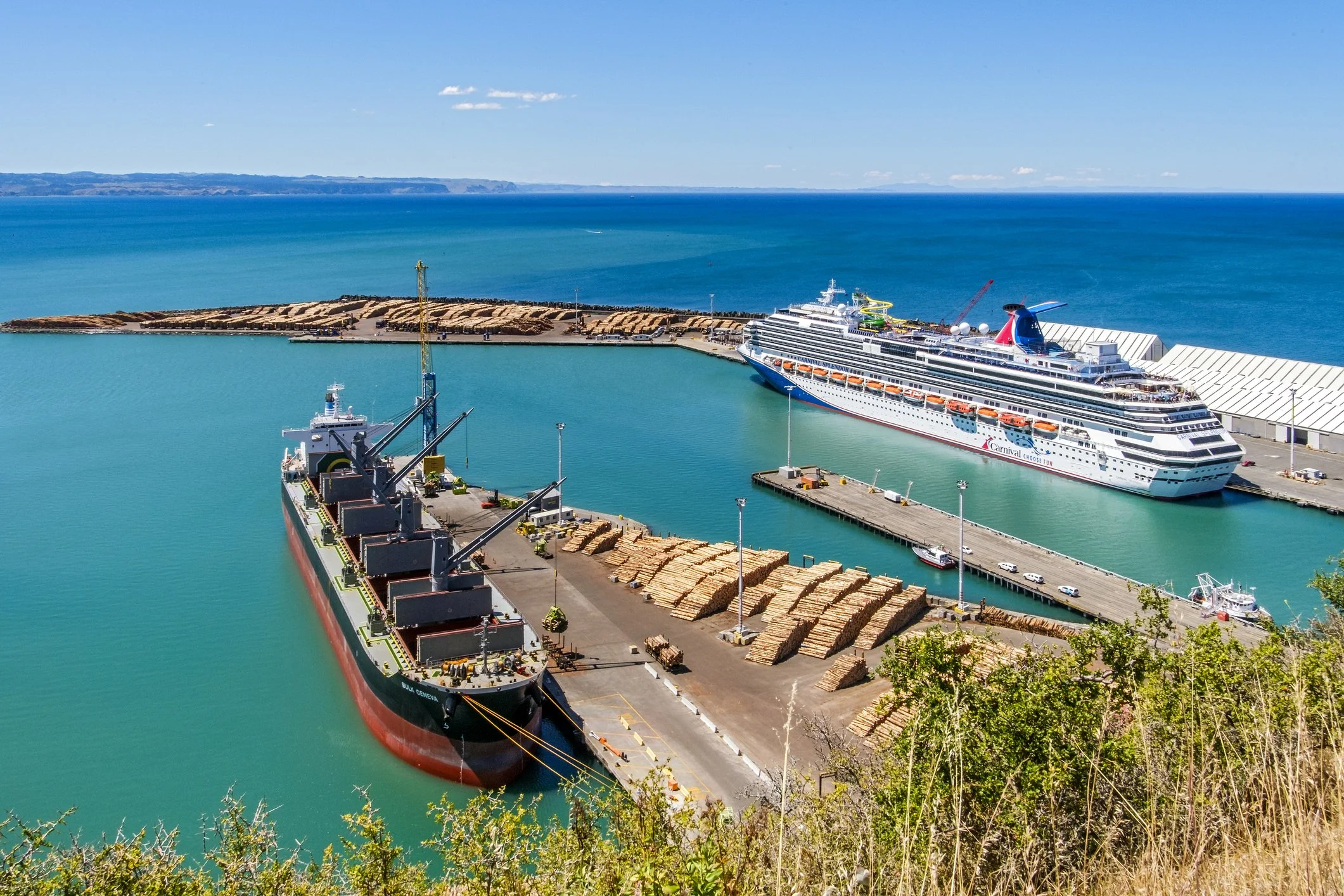
A cargo ship and cruise ship in Napier Port. Photo / iStock Beyond Images
Researchers from South Korea and the United States collected wastewater from underwater cleaning operations on four ships. They found that around 99% of the microplastic particles in the wastewater came from antifouling coatings.
These tiny paint particles can contain metals and other chemicals that may harm marine life.
The good news is that the researchers also found that capturing and treating the wastewater - as is done when vessels use an approved haulout facility - approximately 96% of the paint-derived microplastics were removed.
The researchers estimated that in-water ship cleaning could release around 78 tonnes of antifouling paint microplastics into the world's oceans each year without wastewater treatment. With effective treatment, that figure could fall to approximately three tonnes.
Source: Journal of Hazardous Materials, August 2026.
New international standard for in-water hull cleaning of commercial ships
Meanwhile, a new international standard aims to make in-water hull cleaning safer and more consistent.
Published in March 2026, ISO 6319:2026 provides guidance for planning, carrying out and documenting in-water cleaning operations on ships, including hulls and harder-to-reach areas such as propellers and sea chests.
Importantly, the standard distinguishes between light fouling, such as slime, and more substantial growth, including barnacles, mussels and seaweed. It specifies that cleaning light fouling does not require a waste capture system, while cleaning more substantial growth does.
The standard also addresses assessing hull condition before cleaning, protecting antifouling coatings, training operators and recording the work undertaken.
It is designed for the international shipping industry, including ports, cleaning contractors, vessel operators and regulators. Read more about ISO 6319:2026
What about New Zealand?
New Zealand already has a Craft Risk Management Standard (CRMS) for Vessels, which sets mandatory biofouling requirements for vessels arriving from overseas. The standard aims to prevent marine pests entering New Zealand on vessel hulls and in niche areas. Depending on the vessel's planned activities and length of stay, operators must provide evidence of appropriate hull maintenance or cleaning, including cleaning before arrival or arranging treatment at an MPI-approved facility. Unlike the new international ISO standard, which focuses on how in-water cleaning is carried out, New Zealand's CRMS focuses on managing the biosecurity risk posed by incoming vessels.