Poor quality clean blamed for Marlborough Sounds fanworm scare
A poor quality in-water clean is seen as the likely reason that Mediterranean fanworm was carried to the Marlborough Sounds this summer.

The boat, a large motor sailor, lived in a central Auckland marina before being sold to Marlborough locals. Before it left Auckland the owners commissioned a clean and inspection from a dive company to take place a week before departure.
The company completed the clean and provided documentation verifying the boat was clean and free of pest species and the boat set off down the coast to its new home, a mooring in Waikawa Bay.
Dive contractors were carrying out routine surveillance in Waikawa Bay when the vessel was found. Staff were shocked to find a number of Mediterranean fanworm on the bottom of the keel, including a mature male measuring 180mm capable of reproducing.
The boat was wrapped to prevent spread and treated with bleach to kill any fanworm attached to the vessel. It was hauled out shortly afterwards so that any remaining pest species could be removed and new antifoul applied.
Hayden Nott of Marlborough District Council says that the find was disappointing and that a 30m area where the boat was berthed will need surveillance for a minimum of two years to ensure that Mediterranean fanworm doesn’t get established.
“We know that keels and niche areas are challenging to inspect and clean. The owners of this boat did everything right, but they were let down by a service provider who didn’t quite complete the job properly.”
He thanked the owners for their cooperation once the discovery was made.
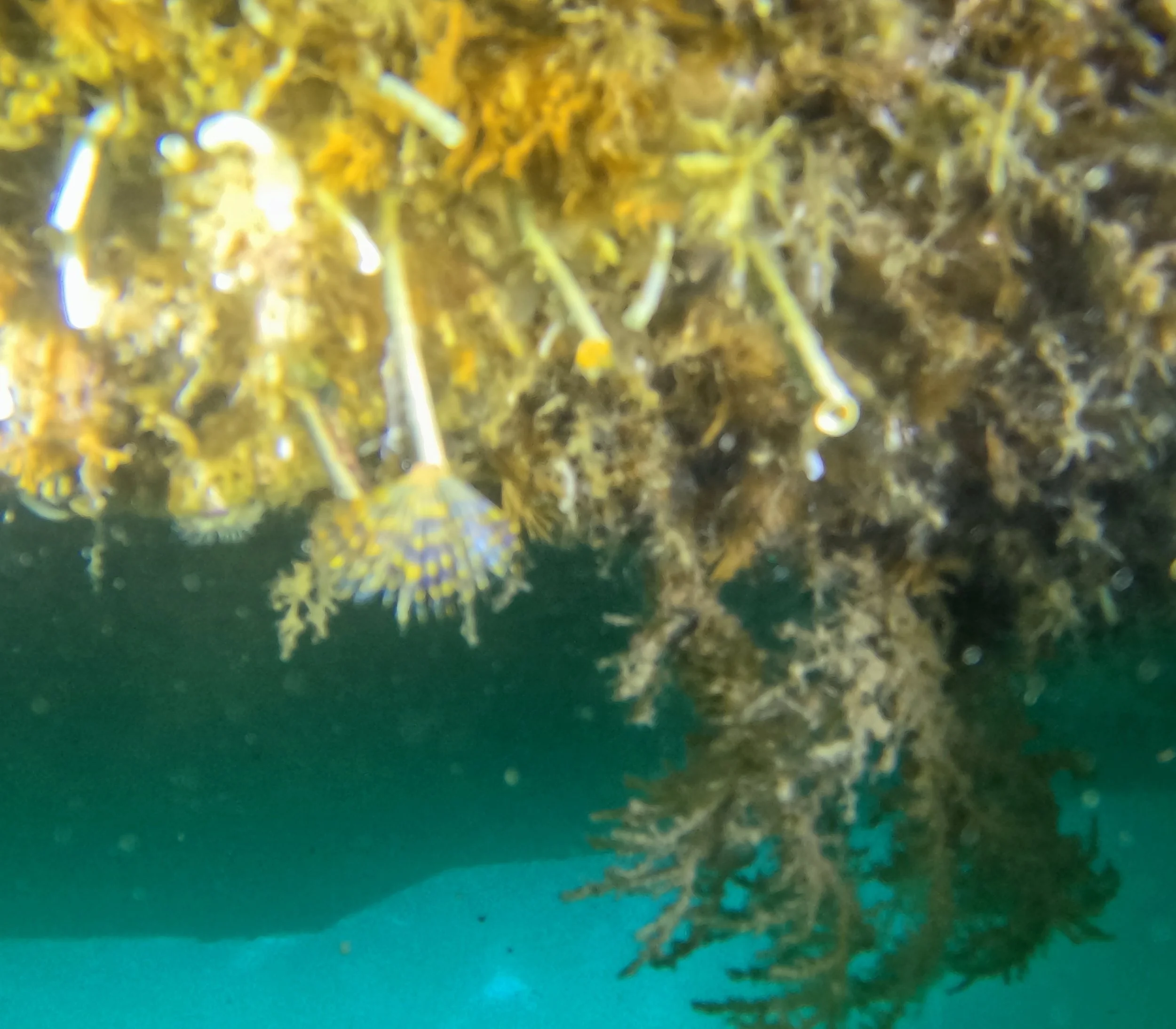
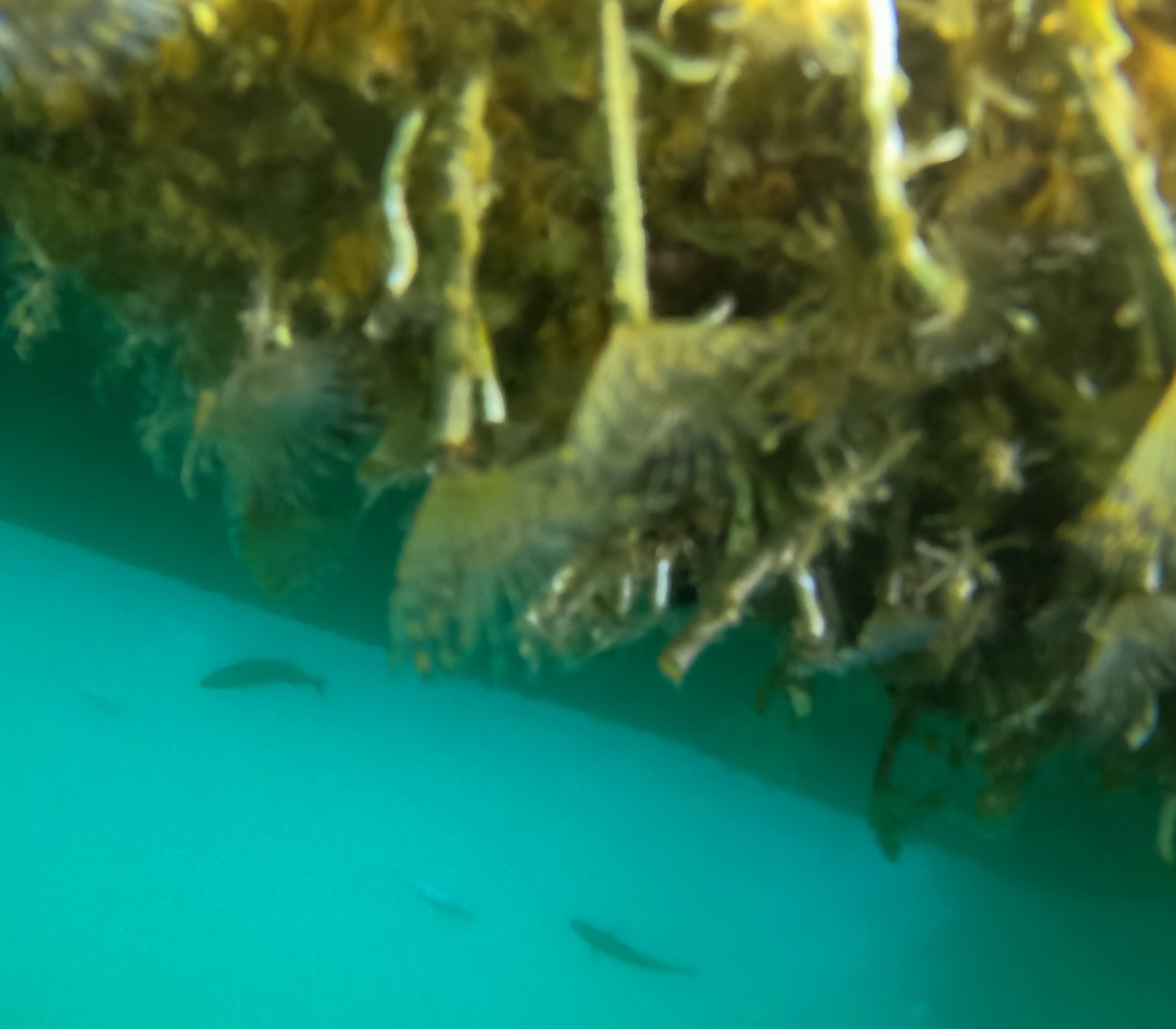
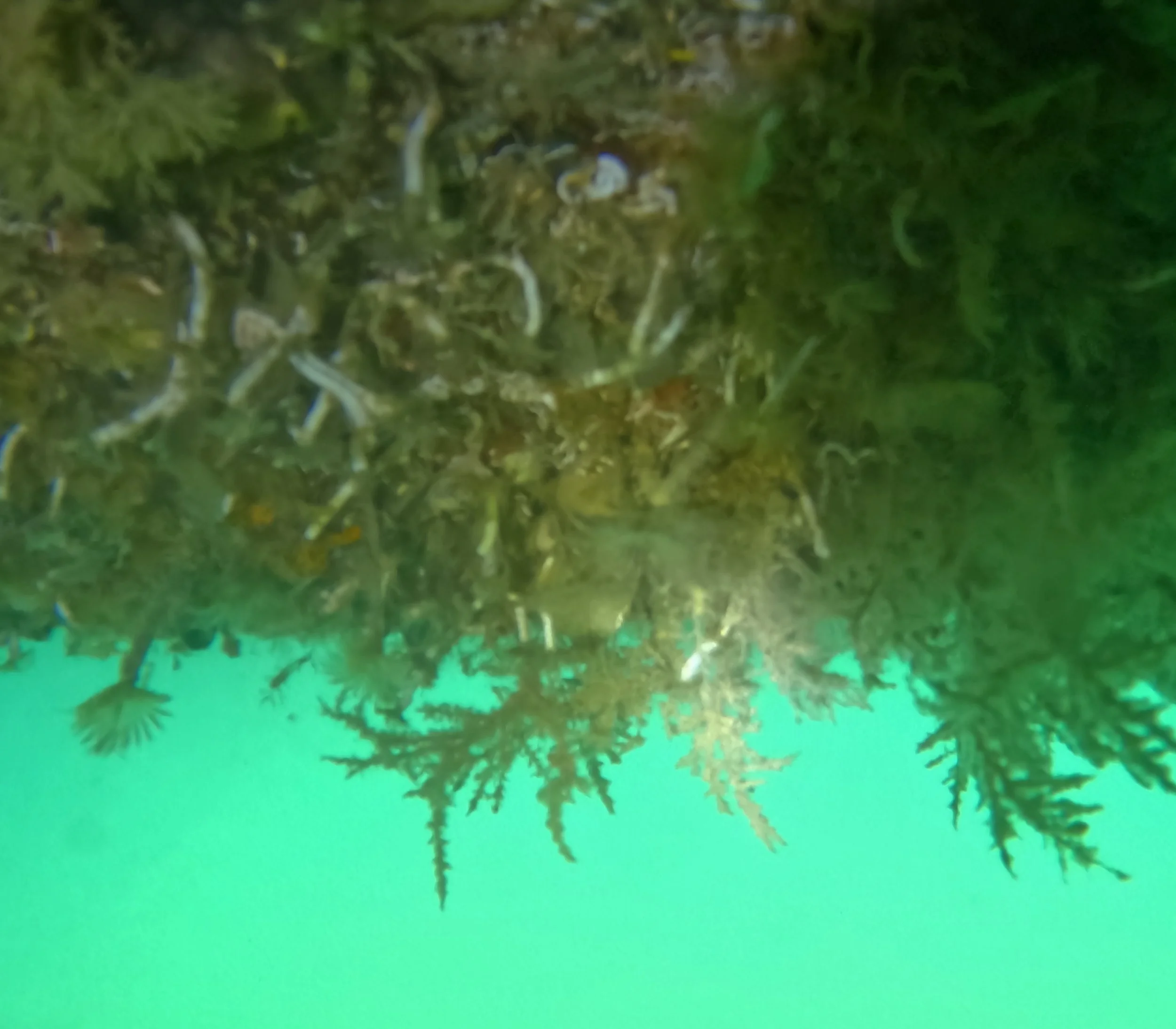
Gopro footage from the bottom of the infected boat. Photo / Hayden Nott Marlborough District Council.
Surveillance in the Top of the South regions
The Top of the South Marine Biosecurity Partnership’s marine pest surveillance programme has completed 3,787 vessel and mooring inspections across the Top of the South and Wellington regions between July 2025 and May 2026.
The diver surveys focused primarily on moored and active vessels. The aim is to identify marine pests attached to vessel hulls and assessing the level of fouling (LOF) of each vessel. This supports early detection and management of marine pests that may spread via vessel hulls between regions, harbours, marinas, aquaculture areas, and culturally significant coastal environments. Around 800 vessels were assessed as having high fouling levels (LOF 4–5). Mediterranean fanworm was detected on five vessels.