
Question on the 6 or 1 rule for boats with alternative antifoul
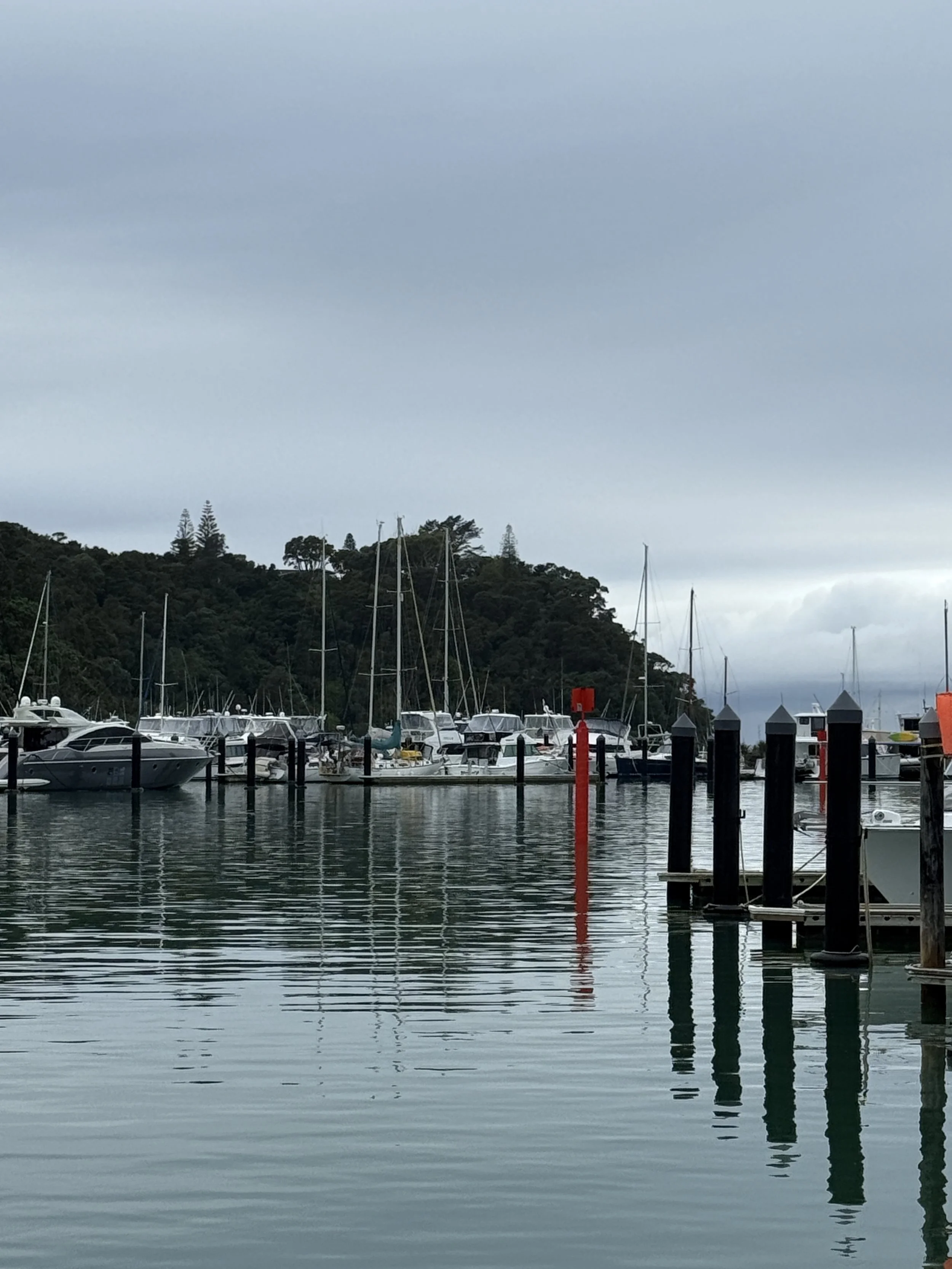
Tutukaka Marina is one of the marinas that uses the ‘6 or 1’ rule
Recently a boat owner asked the Island Cruising Association for advice about visiting marinas that follow the ‘6 or 1’ rule. The Island Cruising Association passed the query on to us at Clean Below? Good to Go.
The boat this person owns has a non-traditional and long lasting antifoul that works well for them, and doesn't experience a lot of fouling. They wondered if they would still be required to meet the rule.
Many marinas follow the ‘6 or 1’ rule to protect their structures and local environment - it is a rule set by the marinas, not by councils or governments.
The ‘6 or 1’ rule requires visiting boats to provide evidence that they have been antifouled in the last six months, or lifted and washed in the last month after leaving an area infested with marine pests.
We spoke with some marina operators who enforce the rule.
They told us that in their experience growth can occur on boats using any antifoul coating, traditional or non traditional, particularly in niche areas like hull fittings and props, and so they treat these boats the same as any other boat and enforce the ‘6 or 1’ rule.
For vessels arriving from overseas the marinas we talked to recommended a lift and wash on arrival in New Zealand, and from then on a wipe down in a council-approved cleaning area, with photos if possible.
Biofouling rules are in place to protect New Zealand from marine pests.
Biosecurity New Zealand is currently working with the Cawthron Institute and marinas across Aotearoa to make sure the ‘6 or 1’ rule is working for both marina operators and boaties, by assessing whether the timeframes are fit for purpose and evaluating the effectiveness of the rule in reducing the spread of invasive marine pests and diseases around the motu.