
Quick response money well spent for two popular boating spots
Great news! Two of our top boating spots have been declared free of the marine pest Mediterranean fanworm, one in Coromandel Peninsula and one in the Far North. In both cases, it arrived in the harbour by boat, was detected during routine surveillance, and followed by a prolonged period of response.
Whangapoua Harbour
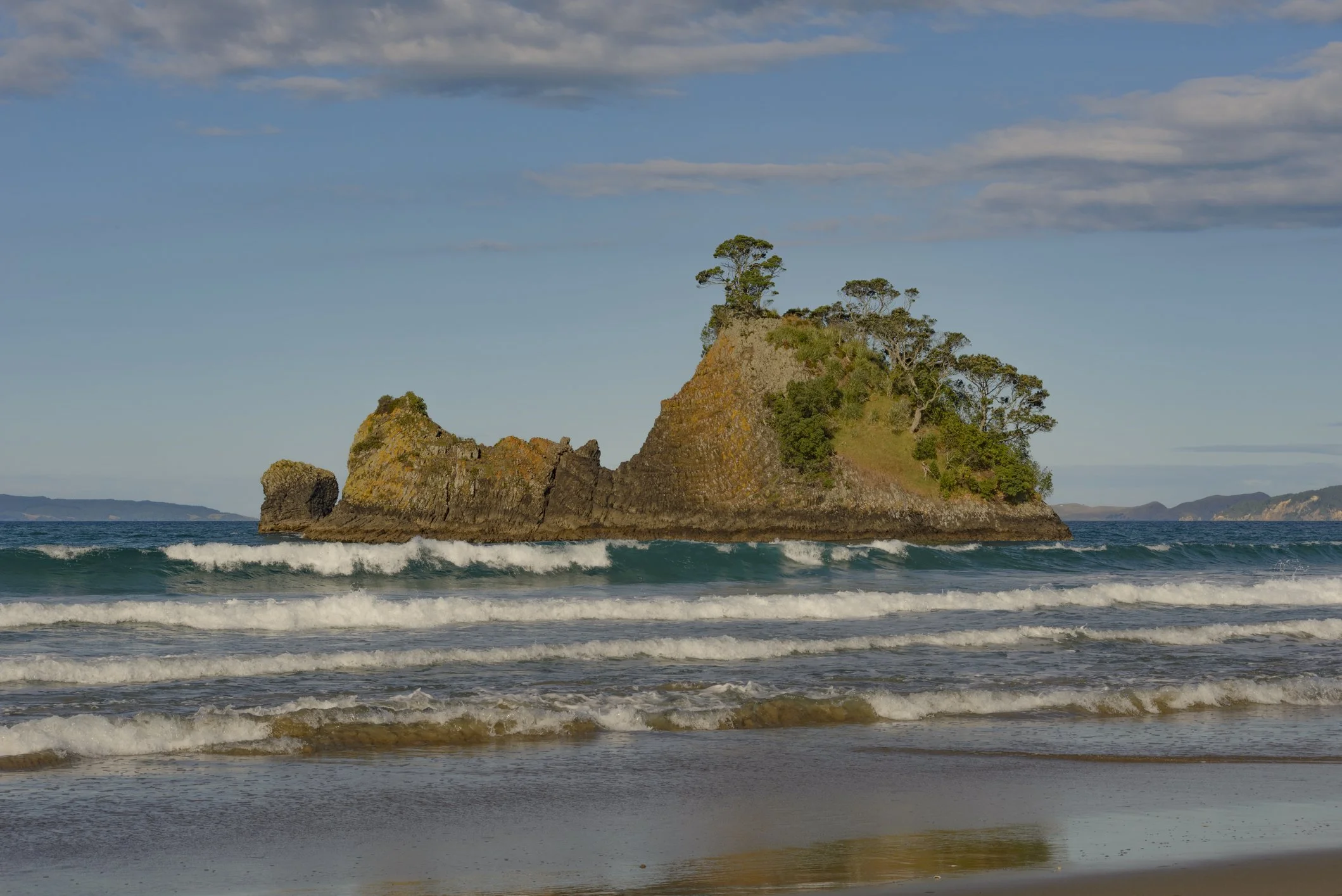
Whangapoua Peninsula - the adjacent harbour is now free of Mediterranean fanworm
Whangapoua Harbour, on the eastern coast of the Coromandel Peninsula, has officially been declared free of the invasive Mediterranean fanworm (Sabella spallanzanii) following five years of sustained surveillance.
It was first found in Whangapoua Harbour on the hull of a vessel alongside the wharf in August 2018, and a single fanworm (220 millimetres) was subsequently found and removed from beneath the wharf in June 2020.
Since then, annual surveillance has been carried out with no further detections. Under best practice for marine incursion management, an area is declared free of sabella after five consecutive years without detection.
Waikato Regional Council Marine Biosecurity Officer Dave Pickering said the result for Whangapoua reflected a strong partnership between the council, Biosecurity New Zealand and the Bay of Plenty Regional Council dive team, whose swift actions and subsequent ongoing surveillance efforts were essential to the surveillance programme.
Mangōnui Harbour
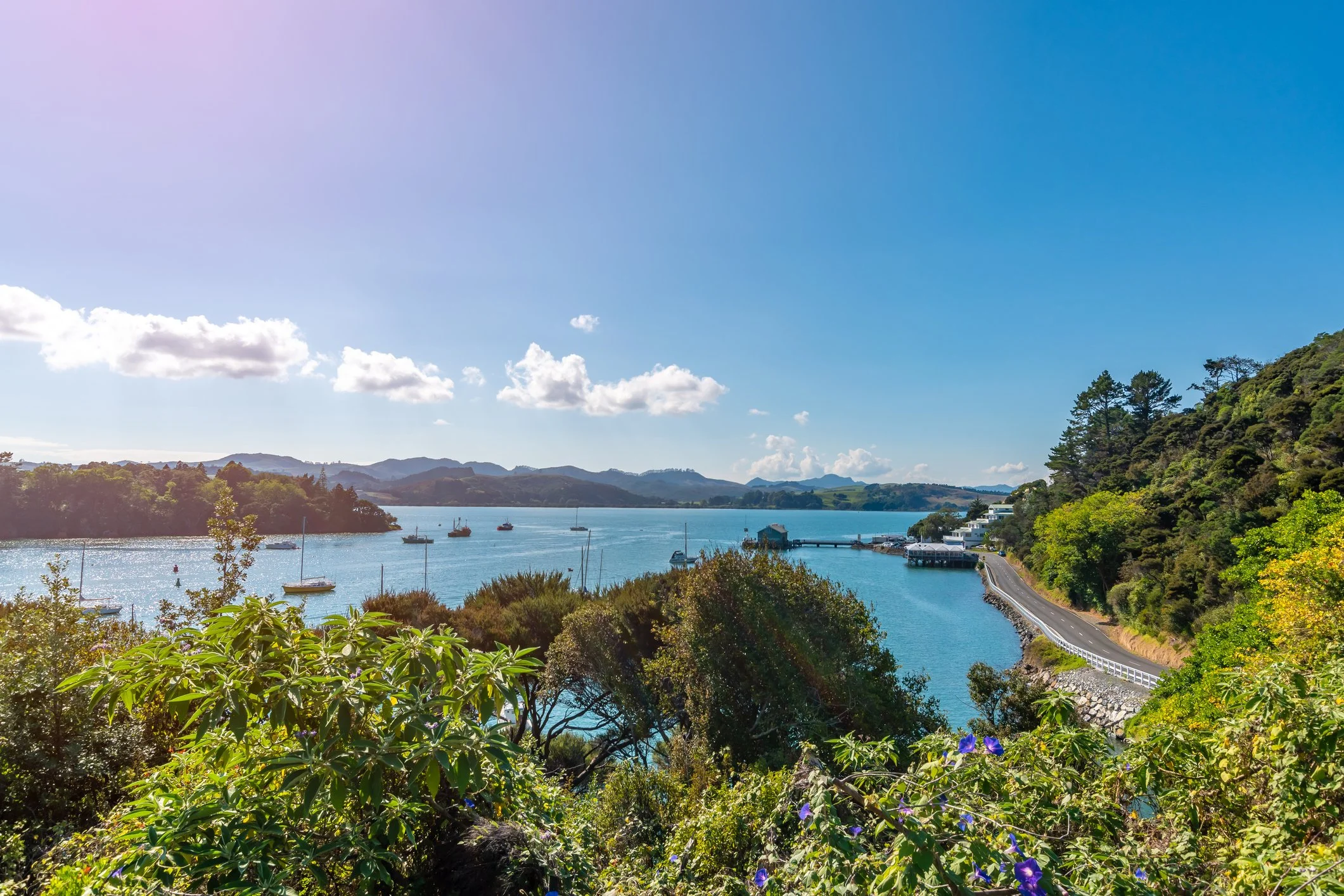
Mediterranean fanworm was found in Mangōnui in 2020 onboard a boat moored in the harbour by divers doing routine surveillance. The boat was hauled out and cleaned, and several fanworm removed from the seafloor.
Five years on, there have been no further detections during surveys, which experts say is encouraging and yet another example of how early detection and rapid response is the best way to stop marine pests in their tracks.