
Good news from summer marine pest surveys
Summer marine pest surveillance has delivered welcome results from Waitematā Harbour, Tauranga Harbour and Ōpua Marina/Waikare Inlet.
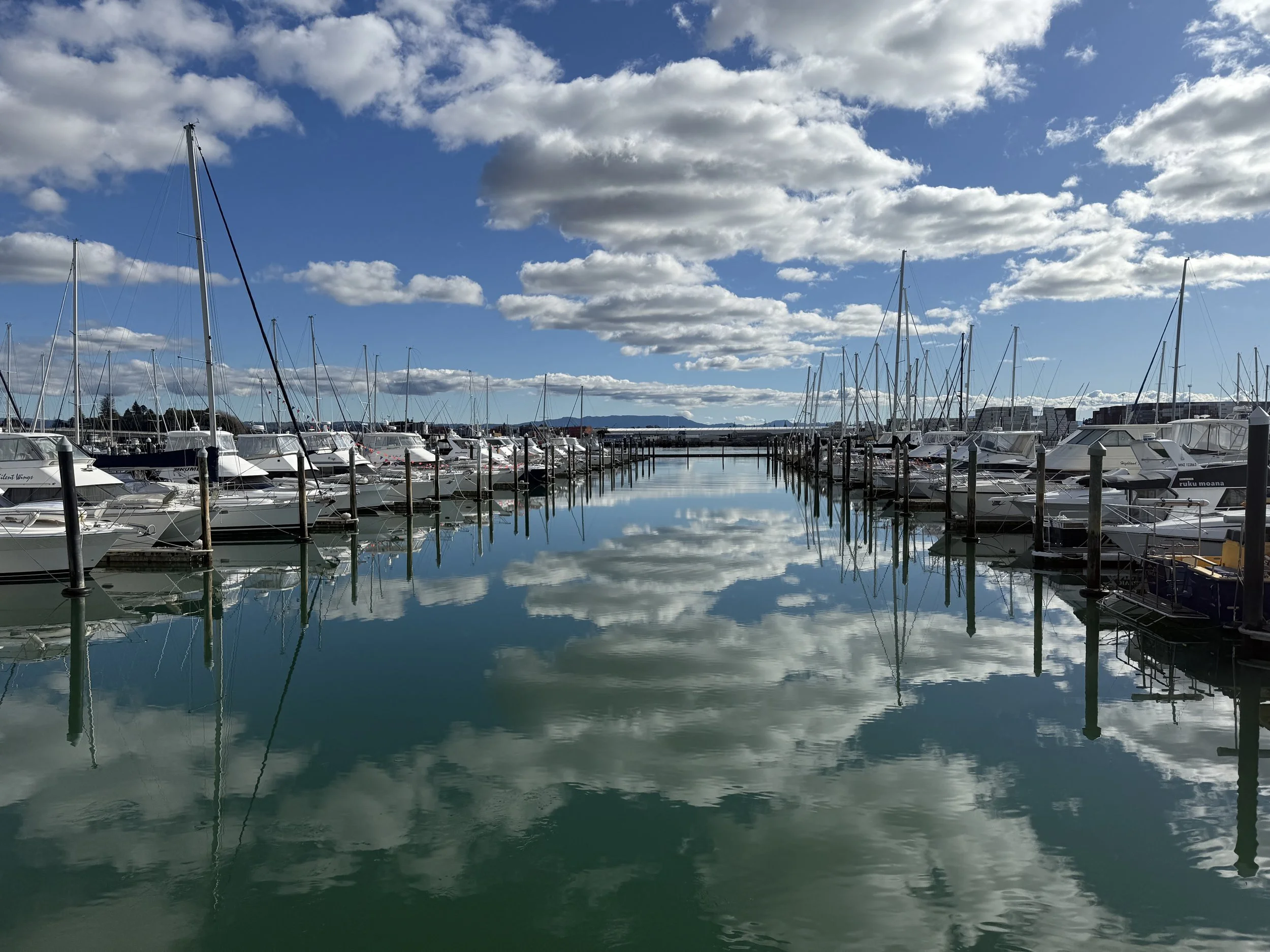
Earth Sciences New Zealand conducted the three surveys on behalf of Biosecurity New Zealand. Waitematā Harbour was surveyed from 23 January to 6 February 2026, Tauranga Harbour from 23 to 27 February, and Ōpua Marina/Waikare Inlet from 23 to 26 March. No new-to-New Zealand species were detected.
The surveys are designed to detect five high impact species that are not known from New Zealand waters (Asterias amurensis, Carcinus maenas, Caulerpa taxifolia, Eriocheir sinensis, Potamocorbula amurensis) and in good news none of these species were detected.
There was further positive news at each location. Exotic caulerpa, including Caulerpa brachypus and Caulerpa parvifolia, was not detected in either Waitematā Harbour or Ōpua Marina/Waikare Inlet. No Mediterranean fanworm, Sabella spallanzanii, was detected during the Tauranga survey.
Some non-indigenous species already known to occur at the locations were recorded, but the absence of new-to-New Zealand species is encouraging. The surveys form part of the national marine pest surveillance programme, which checks 12 high-risk ports and marinas. This work supports early detection and rapid response, helping to protect New Zealand's unique marine ecosystems, taonga species, kai moana, coastal communities, and industries from the impacts of invasive species and reducing the risk of new marine pests becoming established.