
Lessons learned from a 10-year marine biosecurity response
In a similar way to the NZ Royal Commission’s enquiry into the country’s pandemic response, experts have investigated the decade-long marine biosecurity response to the Bonamia ostreae (Haplosporidia) so that we can learn from it in future responses.
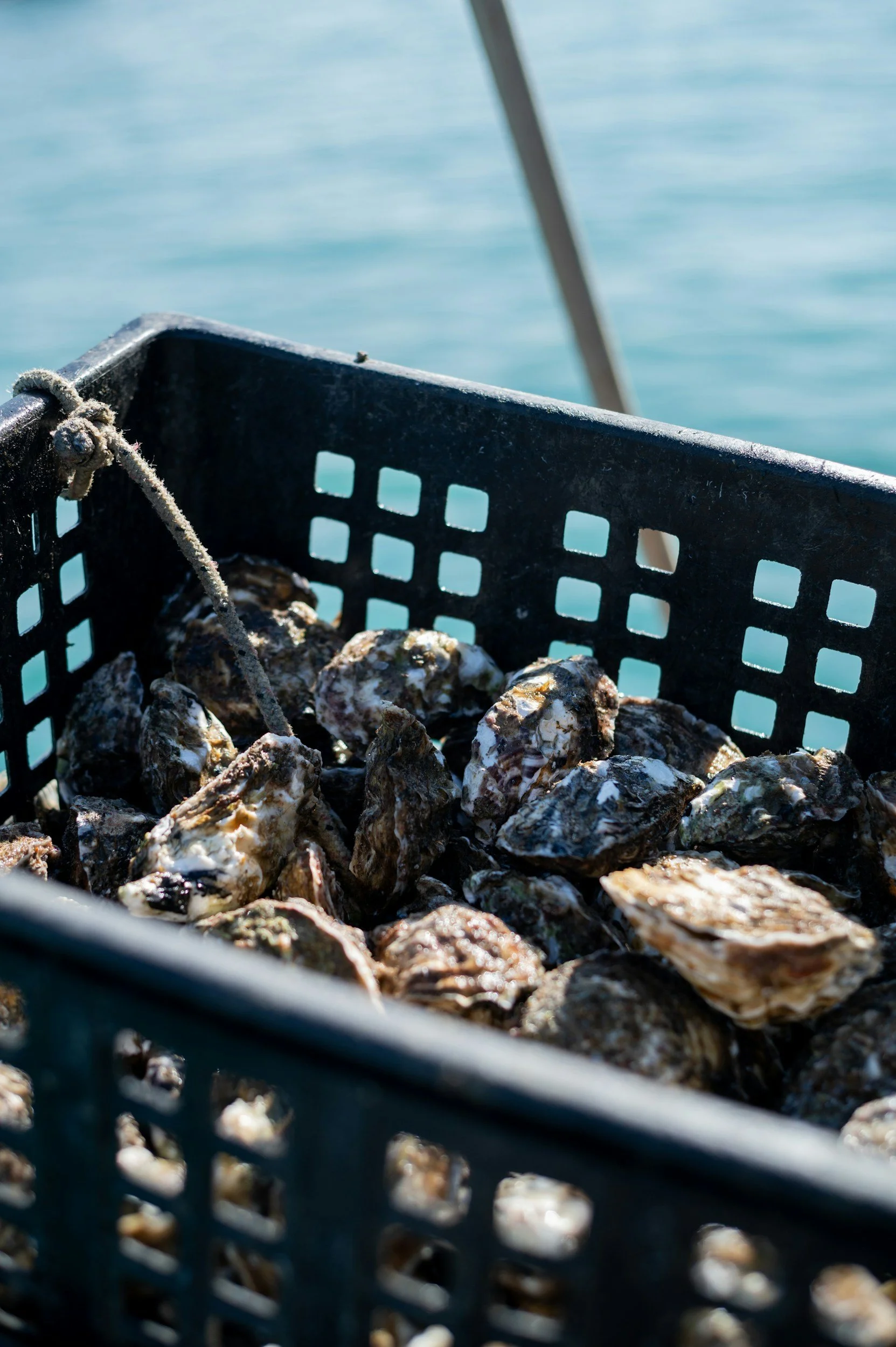
Bonamia ostreae, a parasite that infects and can kill flat oysters, was first found in farmed oysters in the Marlborough Sounds in 2015 and later detected in Big Glory Bay, Stewart Island, close to the valuable Bluff wild oyster fishery in Foveaux Strait.
There was a very high mortality among farmed flat oysters in the Marlborough Sounds, reportedly exceeding 95% on some farms. All farmed flat oysters were removed from affected areas in Marlborough and Big Glory Bay and around 2,500 tonnes of oysters, farming structures and associated material were removed from 25 farms.
It meant the effective closure of New Zealand’s flat-oyster farming industry in those areas, with substantial financial losses for farmers and compensation costs for the government.
Removing the oysters reduced the number of hosts available to the parasite, and lowered the risk of parasite abundance building up and spreading into wild oyster populations. As a result of the early interventions, wider spread was prevented.
Marine environments are open and connected so it is very difficult to eradicate an organism once established. In this case, wherever this parasite has become established in the wild, it has never successfully been eradicated, as it can remain in the environment. Waiting for complete certainty can mean missing the only realistic opportunity to contain it.
In this case, the potential consequences were particularly serious. Foveaux Strait supports one of the world’s largest remaining wild flat oyster fisheries. The fishery has commercial, recreational and customary importance, so the cost of allowing the parasite to spread could have been very high.
The paper also shows that early action needs to be backed by good surveillance, movement controls and coordinated decision-making.
While it does not provide a formal cost-benefit analysis, it suggests that the substantial cost of early intervention must be weighed against the potentially far greater and irreversible economic, cultural and ecological cost of the parasite reaching the Foveaux Strait oyster fishery.
In the longer-term, work such as breeding oysters that are more resistant to disease, may provide options for “biosecure” aquaculture in the future, but at this stage there are still many research questions that need to be answered before this is the case. Overall, the paper makes a strong case for precaution: when the possible damage is severe and may be irreversible, intervening early is a practical and scientifically sound response.
You can read the full paper here