
LOF Review: updating how recreational vessels are monitored for marine pests
A review by the Cawthron Institute provides updated guidance on use of the Level of Fouling (LOF) scale
This six-category scale was first developed in 2002 to help council surveillance teams and marinas quickly assess how much biofouling is on a vessel, and therefore what risk it poses when it moves around the coastlines, without complicated species counts or lab work.
The LOF scale uses simple underwater observations — the percentage of hull surfaces covered in fouling — to rank boats from very clean to heavily fouled.
It aims to achieve biosecurity goals, while enabling recreational boaties to enjoy freedom of movement around New Zealand’s coastlines.
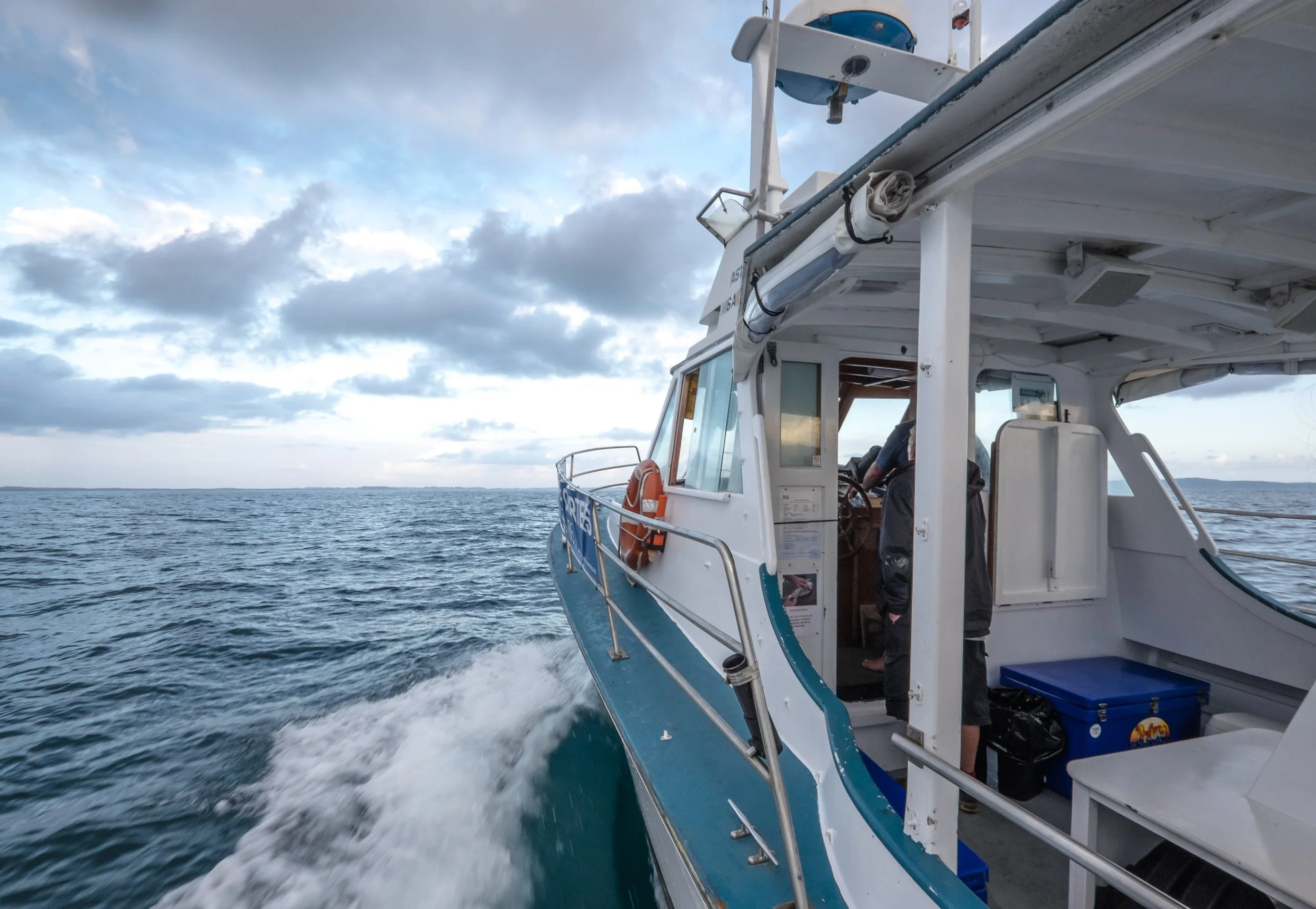
Photo / Cornelia Luethi
Why does this matter? Unlike commercial vessels that are often inspected, recreational craft can move frequently between ports, marinas and coastal anchorages with little consistent monitoring. That means they are more likely to be transport vectors for marine pests and that’s where the LOF scale comes in as a clear snapshot of risk.
Traditionally hull surveillance focused on what could be seen above the waterline or counted by species. The LOF emphasises underwater percent-cover measurements, which are far better at identifying the true biosecurity risk - and more practical to implement too.
New Zealand is a global leader in the marine pest fight and so far over 47,000 vessel surveys using the LOF system have helped authorities set thresholds for action and track trends in biofouling across regions.
Read the full report and recommendations on sciencedirect