
Smart technology is changing how we spot marine pests before they spread
For decades, checking boats for marine pests has relied on a simple but logistically difficult method: sending divers underwater to visually inspect hulls, propellers and niche areas.
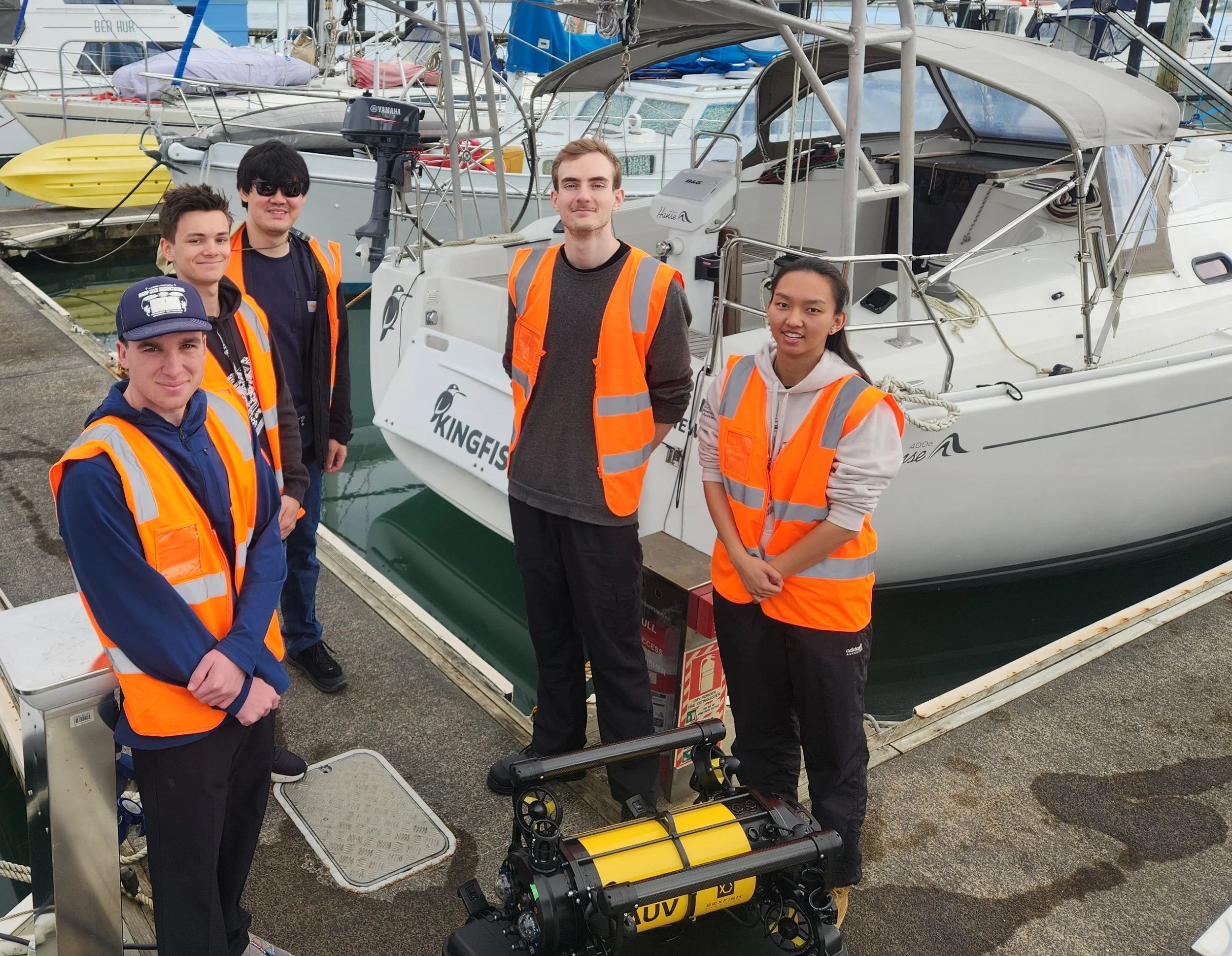
However new research is showing how autonomous underwater technology and artificial intelligence could dramatically improve how we detect marine biofouling, and stop invasive species before they spread.
A recent study by University of Auckland researchers, supported by Kōtare, tested whether computer vision and large language models could accurately assess biofouling using Autonomous Underwater Vehicles (AUVs).
The researchers tested multiple approaches. Traditional computer vision models were good at spotting the obvious, such as very clean or very dirty hulls, but struggled with the continuum in between, where early-stage pests often hide. AI language models, when carefully guided with official Level of Fouling (LoF) rules, performed surprisingly well, offering not just a LoF score but a written explanation of what they could see and why it mattered.
Most promising of all was the idea of hybrid systems combining image analysis with AI reasoning to estimate fouling coverage and explain the risk in plain language in real time.
This is where Kōtare’s work comes in. Kōtare integrates with various manufacturers (including Boxfish Robotics) and operators to provide domain specific solutions.
The AUV under development will collect high-quality underwater imagery without putting divers at risk; this research shows how data could soon be assessed automatically, consistently, and at scale.